Little Africa Unveiled: Vibrant Afro-Brazilian Heritage in Rio


About This Tour
Discover Rio de Janeiro’s Little Africa on a thought-provoking walking tour through places that reveal the city’s Afro-Brazilian heritage. Along the way, explor...
Duration: 4 Hours · Tour type: Shared · Activity level: Easy · Accommodation: Not included · Transport: Not included · Wheelchair access: No · Cities: Rio de Janeiro, Lapa · Languages: English
Know before you go: PUBLIC TRANSPORTATION NEARBY; Not wheelchair accessible; Not stroller accessible; Not suitable for pets; Infants must not sit on laps; Infant seats unavailable; Meet the guide at the designated meeting point and time at least 10 minutes prior to the tour's departure.; Meeting point: Largo de Santa Rita - Centro (behind the Hotel Windsor Guanabara); Meeting address: Largo de Santa Rita - Centro - Rio de Janeiro - RJ,; Start: 09:00 AM on Tuesdays and Saturdays (15-minute tolerance).; Start: 02:00 PM on Thursdays and Fridays (15-minute tolerance).; In the very unlikely situation that the client are not able to locate our driver, please call our emergency telephone number below.; Contacts:
About Lapa

Lapa
Explore the list of top ranked local tour guides in Lapa. Get tour activities offered by tour companies and independent travel guides in Lapa.
What's Included
- Bilingual Tour Guide
Not Included
- Meals and beverages
Itinerary
-
1Day 01
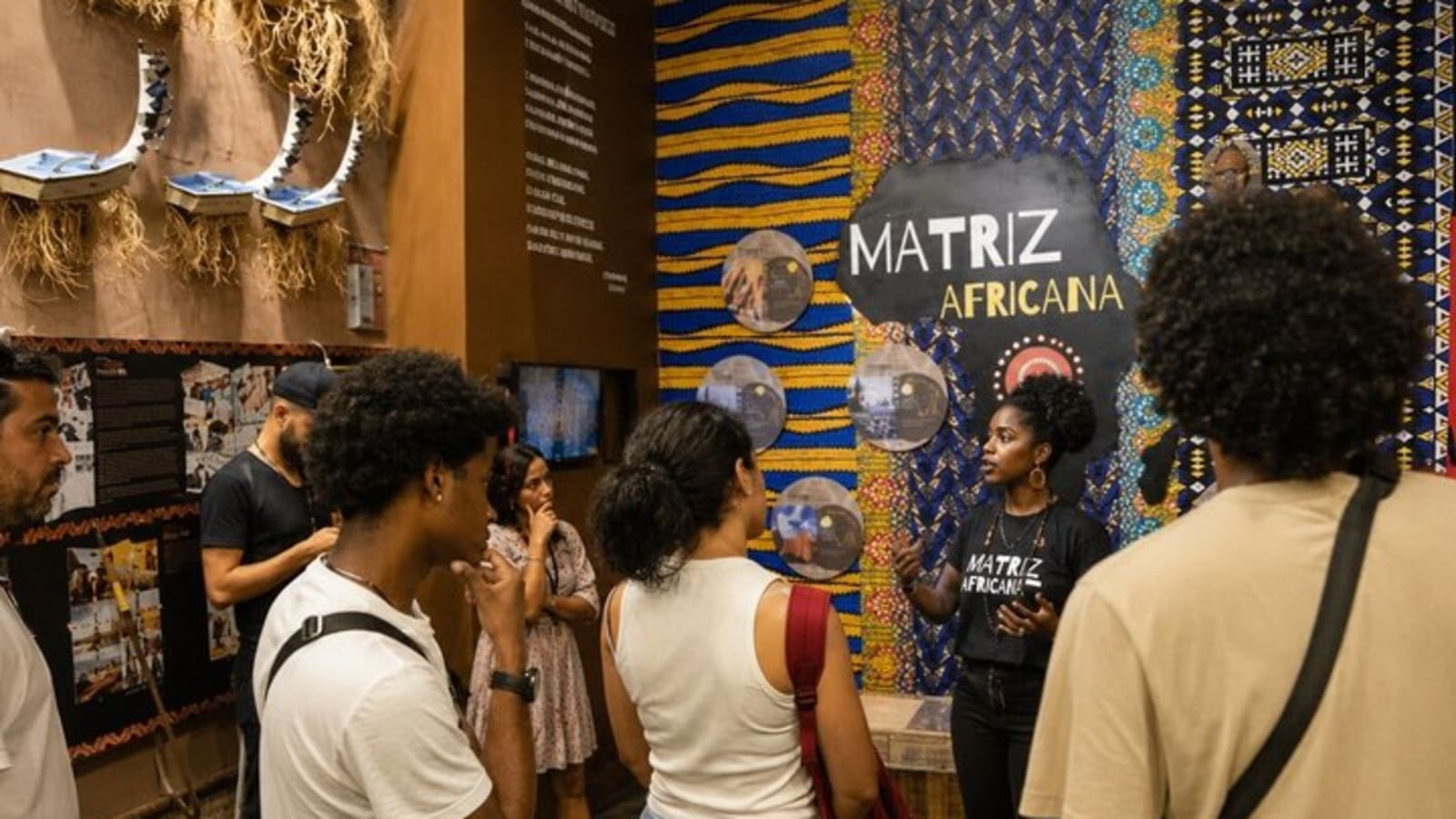
The tour starts at Santa Rita church in Largo de Santa Rita, which was built on the first cemetery for enslaved people. It combines colonial and baroque architecture with intricate ornamentation and religious artwork. The church is a powerful reminder of the region's history of slavery and attracts visitors interested in Brazil's cultural heritage.The Museum of History and Afro-Brazilian Culture (MUHCAB) is a fictional institution that aims to preserve and promote the rich heritage of Afro-Brazilian culture. It showcases artifacts, artworks, and documents highlighting the experiences and contributions of Afro-Brazilians throughout history.This institute is dedicated to research and the preservation of the historical and cultural heritage related to the African diaspora in Brazil. The primary focus of the IPN is the study and dissemination of the history and memory of the Pretos Novos Cemetery, which was an important burial ground for enslaved Africans and their descendants during the colonial period in Brazil.Known as the largest port for African slaves during the transatlantic slavery trade. It operated from the late 18th to early 19th century, with an estimated one million enslaved Africans passing through it.The Suspended Garden of Valongo is a remarkable creation that emerged during the early 20th century as part of the city beautification efforts led by the Pereira Passos administration, a period known as the Belle Époque. This enchanting garden stands as a testament to the vision and commitment to enhancing the urban landscape of that era.It is a vibrant gathering place for those who appreciate samba, ice-cold beer, and a lively atmosphere. Regarded as one of the coolest spots in the world, according to Times Out.Beco João Inácio is a small and historic narrow street in the Lapa neighborhood, known for its steep hills and stone pavement. It is considered a picturesque and charming place, filled with old houses, some of which have been around for over a century. Mosaico Hilário Jovino is an urban art piece that embellishes a specific section of the Lapa neighborhood. It is a colorful mosaic made of tiles, covering an extensive wall.Pedra do Sal, also known as "Pedra do Sol" or "Stone of the Sun," is a historic site located in the city of Rio de Janeiro, Brazil. It holds great cultural and historical significance as a gathering place for African-Brazilian communities and is considered the birthplace of samba music.
Meeting Point
Meeting point: Rio de Janeiro, BR · Tour start: Rio de Janeiro, BR — Tour ends at the same location as the start point.