5-Hour Hiroshima Walking Tour with Peace Memorials and Castle



About This Tour
Experience Hiroshima's poignant history on this 5-hour walking tour. Explore the scenic Shukkei-en garden, Hiroshima Castle's resilience, and the powerful symbo...
Duration: 5 Hours · Tour type: Private · Activity level: Easy · Accommodation: Not included · Transport: Not included · Wheelchair access: Not applicable · City: Hiroshima · Languages: English
Know before you go: The tour duration may vary depending on your interests and walking speed.
About Hiroshima
Hiroshima
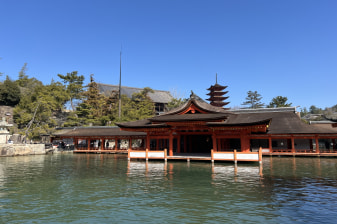
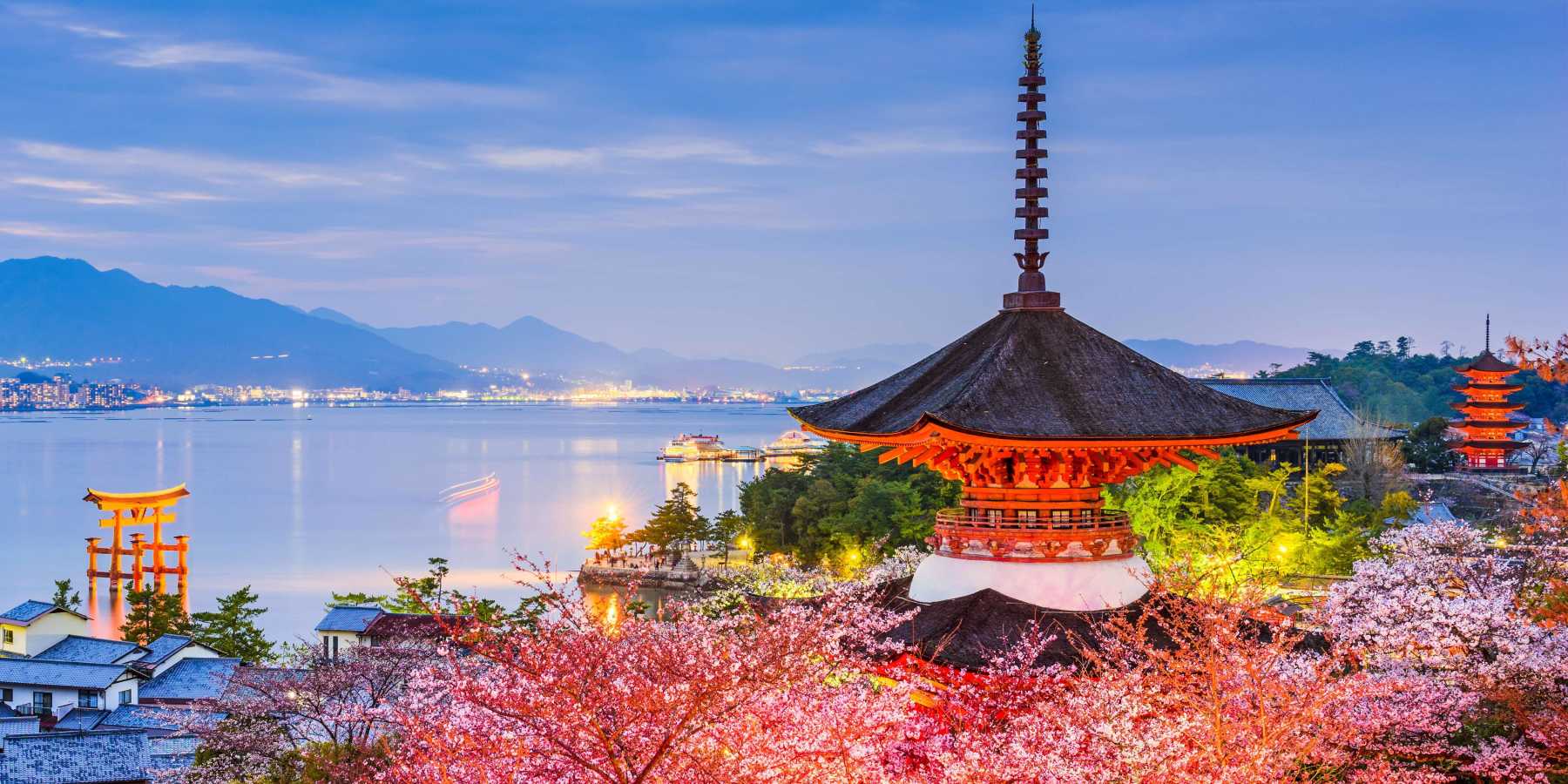
Pay your respects at the Peace Park and other memorials that mark Hiroshima out as the site of one of the 20th century’s great tragedies, and get a local guide to show the modern edge of this Japanese city too.
What's Included
- Japanese English-speaking guide from Hiroshima Prefecture
Not Included
- Transportation fees
- Other personal expenses
Itinerary
-
1Day 01
Walk Through Hiroshima's Historic and Peace Memorial Sites
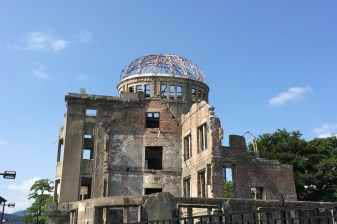
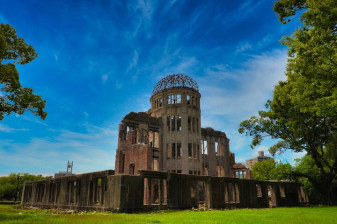
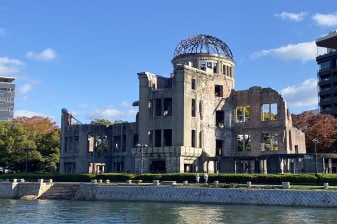
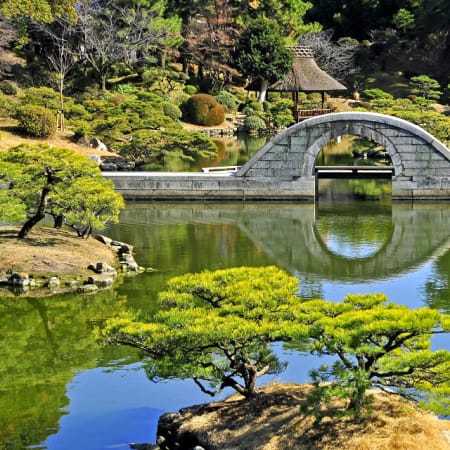
Shukkei-enThis stroll-style garden was created in 1620 for a feudal lord. There are 10 large and small islands near the garden centre, and you can tour the surrounding mountains, bridges, ponds, and teahouses. The garden is planted with seasonal flowers, allowing you to enjoy it all year round. You can also see beautiful koi fish in the pond. This stroll-style garden was created in 1620 for a feudal lord. There are 10 large and small islands near the garden centre, and you can tour the surrounding mountains, bridges, ponds, and teahouses. The garden is planted with seasonal flowers, allowing you to enjoy it all year round. You can also see beautiful koi fish in the pond. Hiroshima CastleThis is a five-story castle built in 1599 by Terumoto Mori, the grandson of Motonari Mori. It was destroyed by the atomic bomb dropped on August 6, 1945, but the reinforced concrete castle tower was restored in 1958. This is a five-story castle built in 1599 by Terumoto Mori, the grandson of Motonari Mori. It was destroyed by the atomic bomb dropped on August 6, 1945, but the reinforced concrete castle tower was restored in 1958. Atomic Bomb DomeIt was built in 1915 and designed by Czech architect Jan Letzl. On August 6, 1945, it was destroyed by the first atomic bomb used in human history. It was registered as a World Heritage Site in 1996 as a symbol of the pledge to abolish nuclear weapons and seek lasting peace, conveying the devastation caused by the bombing. It was built in 1915 and designed by Czech architect Jan Letzl. On August 6, 1945, it was destroyed by the first atomic bomb used in human history. It was registered as a World Heritage Site in 1996 as a symbol of the pledge to abolish nuclear weapons and seek lasting peace, conveying the devastation caused by the bombing. Hiroshima Peace Memorial MuseumIt displays the damage caused by the atomic bomb and the history of Hiroshima before and after the bombing, and calls for the abolition of nuclear weapons and the realization of lasting world peace. It displays the damage caused by the atomic bomb and the history of Hiroshima before and after the bombing, and calls for the abolition of nuclear weapons and the realization of lasting world peace. Hiroshima National Peace Memorial HallThe museum collects the names and photographs of those who died in the atomic bombing, as well as their personal accounts of the event. Special exhibitions and reading sessions are also held to introduce these experiences. The museum collects the names and photographs of those who died in the atomic bombing, as well as their personal accounts of the event. Special exhibitions and reading sessions are also held to introduce these experiences.
Meeting Point
Meeting point: Hiroshima Station