19-Day Amazon and Machu Picchu Tour through Peru, Colombia and Brazil


About This Tour
Sail down the Amazon River across Peru, Colombia, and Brazil to the Lost City of the Incas, exploring rainforests, jungle communities, quaint towns, and bustlin...
Duration: 19 Days · Tour type: Shared · Activity level: Hard · Accommodation: Included · Budget · Transport: Included · Cities: Rio Branco, Manaus, Cusco, Santa Rosa, Iquitos, Puerto Maldonado, Lima, Leticia, Machu Picchu, Tambopata National Reserve, Urubamba, Písac, Ollantaytambo · Languages: English, Spanish
Know before you go: On the 1st day, no meal is provided.; On the 2nd, 3rd, 7th, 12th, 13th, 14th, 18th, 19th, and 20th, only breakfast is provided.; On the 6th, 8th, 9th, 10th, and 11th days, breakfast, lunch, and dinner are provided.; On the 5th day, breakfast and lunch are provided.; On the 16th day, breakfast and lunch are provided.
About Santa Rosa

Santa Rosa
Explore the list of top ranked local tour guides in Santa Rosa. Get tour activities offered by tour companies and independent travel guides in Santa Rosa.
What's Included
- In Lima, the sightseeing tour.
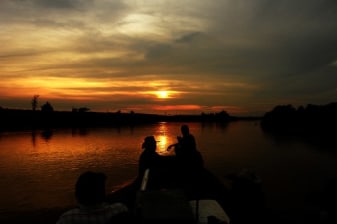
- In Iquitos, the speedboat to the three frontiers and ship to Manaus.
- In the Manaus jungle, the tour to Samauma.
- In Rio Branco, the bus to Puerto Maldonado.
- In Puerto Maldonado, the bus to Cusco.
- In Cusco, the sightseeing tour and trip to nearby ruins.
- Dinner including a folklore show is also included.
- In the Sacred Valley of the Incas, the excursion to Pisac and Ollantaytambo is included. Lunch is also included.
- In Machu Picchu, the guided visit to the Citadel and lunch are included.
- 19 nights of accommodation are included.
- All applicable entrance tickets.
- All transfers and land transportation.
- Train ticket from Ollantaytambo - Aguas Calientes - Ollantaytambo.
- Bus ticket from Aguas Calientes - Machu Picchu - Aguas Calientes.
- Bus ticket for Rio Branco, Puerto Maldonado, and Cusco.
- Speedboat in Iquitos and Tabatinga.
- Ship cargo at Tabatinga.
- Manaus accommodation is in a dormitory.
- Airfare Lima - Iquitos, Manaus - Rio Branco, and Cusco - Lima.
- All applicable taxes.
- All bilingual guided tours (English/Spanish) as described in the itinerary.
- Private guide in Lima (Spanish, English, German, Italian, and Japanese spoken).
Not Included
- International flights.
- Airport taxes ($30.25 for international flights and $6.05 for domestic flights).
- Excess baggage.
- Alcoholic drinks, soda, or bottled mineral water.
- Personal expenses.
- Tips and gratuities.
- International or national personal telephone calls.
Itinerary
-
1Day 01
Arrival in Lima
Upon arrival at Lima International Airport, we will assist you and transfer you to the hotel of your choice. Rest at the hotel for some time, and then we will prepare for your trip around this magical country.
-
2Day 02
Lima City and Colonial Heritage Tour
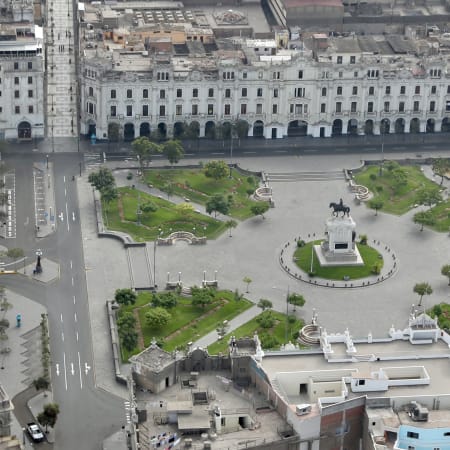
After breakfast, you will be guided through a sightseeing tour of the most attractive and important sites in Lima, the "City of Kings". Explore Lima's Historical Centre: Plaza San Martin, the Main Plaza, the Government Palace, the City Hall, the Cathedral and its Religious Art Museum, the Church of Santo Domingo with the tombs of Santa Rosa and San Martin de Porras, and the colonial balconies. Explore Lima's Historical Centre: Plaza San Martin, the Main Plaza, the Government Palace, the City Hall, the Cathedral and its Religious Art Museum, the Church of Santo Domingo with the tombs of Santa Rosa and San Martin de Porras, and the colonial balconies. Visit the Convent and Church of San Francisco, the greatest monumental complex of colonial art in America and a cultural heritage site of humanity. Visit the Convent and Church of San Francisco, the greatest monumental complex of colonial art in America and a cultural heritage site of humanity. Tour the Basilica of 21 altars, the Convent of Cloisters, the Capitulary and Clementine Rooms, the Chorus and Library of the Monks, a museum showing 11 paintings of the Rubens School, the Sacristy with paintings by Surbaran and Ribera, and its great patio decorated with 16th-century Seville tiles, Moorish arches, and underground catacombs. Tour the Basilica of 21 altars, the Convent of Cloisters, the Capitulary and Clementine Rooms, the Chorus and Library of the Monks, a museum showing 11 paintings of the Rubens School, the Sacristy with paintings by Surbaran and Ribera, and its great patio decorated with 16th-century Seville tiles, Moorish arches, and underground catacombs. Traverse El Olivar Park, with olive trees brought from Spain in the 15th century, as well as the Central Park of Miraflores and Larcomar - a symbol of modern Lima and a tourist and entertainment centre, as well as a privileged site to enjoy an amazing view of the Pacific Ocean. Traverse El Olivar Park, with olive trees brought from Spain in the 15th century, as well as the Central Park of Miraflores and Larcomar - a symbol of modern Lima and a tourist and entertainment centre, as well as a privileged site to enjoy an amazing view of the Pacific Ocean.
-
3Day 03
Flight from Lima to Iquitos
Transfer to Lima Airport for your flight to Iquitos after breakfast. Transfer to Lima Airport for your flight to Iquitos after breakfast. Upon arrival, we will transfer you to the selected hotel, and you will spend the rest of the day at leisure. Upon arrival, we will transfer you to the selected hotel, and you will spend the rest of the day at leisure. Iquitos is a city that can be reached only by air or boat, except by a road to Nauta, a small town roughly 100 km (62 mi) south of Iquitos, which is not connected to the country's main road network. Ocean vessels of 3,000 to 9,000 tons and 5.5 meters can reach Iquitos via the Amazon River from the Atlantic Ocean.
-
4Day 04
Speedboat Journey to the Three Frontiers
6 AM: Leave by speedboat to the Three Frontiers - Santa Rosa (Peru), Leticia (Colombia), and Tabatinga (Brasil). This is where the three borders meet, and the cities are close to each other. 6 AM: Leave by speedboat to the Three Frontiers - Santa Rosa (Peru), Leticia (Colombia), and Tabatinga (Brasil). This is where the three borders meet, and the cities are close to each other. Cross the three-way frontier, nearly 300 km from Iquitos, leaving Peru via the Rio Amazonas. The cheapest and most common route is by river from Iquitos. It is an 8-10 hour trip by a speedboat with two outboard motors, or four days downriver in a riverboat. Cross the three-way frontier, nearly 300 km from Iquitos, leaving Peru via the Rio Amazonas. The cheapest and most common route is by river from Iquitos. It is an 8-10 hour trip by a speedboat with two outboard motors, or four days downriver in a riverboat. Get a unique glimpse of the Peruvian Amazon River and rainforest through visits to Indian villages, jungle hikes by day and night, bird-watching, and piranha fishing excursions using our ecological outboard-powered aluminum shore boats. Local Amazon naturalist English-speaking guides with years of experience in Amazon rainforest ecology will help passengers discover more sights. Get a unique glimpse of the Peruvian Amazon River and rainforest through visits to Indian villages, jungle hikes by day and night, bird-watching, and piranha fishing excursions using our ecological outboard-powered aluminum shore boats. Local Amazon naturalist English-speaking guides with years of experience in Amazon rainforest ecology will help passengers discover more sights. Visit remote black water lakes, lagoons, creeks, and channels normally inaccessible by other boats. Departures are scheduled only on Saturdays at noon. Some services go all the way to Leticia (Colombia) or Tabatinga (Brazil), but many stop at one of the two small Peruvian frontier settlements of Santa Rosa or Islandia at Chimbote. Visit remote black water lakes, lagoons, creeks, and channels normally inaccessible by other boats. Departures are scheduled only on Saturdays at noon. Some services go all the way to Leticia (Colombia) or Tabatinga (Brazil), but many stop at one of the two small Peruvian frontier settlements of Santa Rosa or Islandia at Chimbote. Explore Santa Rosa, Leticia, and Tabatinga, where a small police post serves as the main customs checkpoint (Guarda Costa) for river traffic. Explore Santa Rosa, Leticia, and Tabatinga, where a small police post serves as the main customs checkpoint (Guarda Costa) for river traffic. Transfer to a hotel in Leticia (Colombia), and you are free for the rest of the day. Transfer to a hotel in Leticia (Colombia), and you are free for the rest of the day.
-
5Day 05
Cargo Ship from Tabatinga to Manaus
Travel by cargo ship from Tabatinga to Manaus. The boat leaves only on Wednesday and Saturday. Tabatinga is a small Brazilian town right next to the Colombian town of Leticia; only a road separates them. Travel by cargo ship from Tabatinga to Manaus. The boat leaves only on Wednesday and Saturday. Tabatinga is a small Brazilian town right next to the Colombian town of Leticia; only a road separates them. Stay in Leticia while waiting for our boat; the city offers good hostels. There is no border checking between these two towns and Santa Rosa on the Peruvian side. But as soon as we get out of the towns, we will encounter passport checks. One can get a Brazilian stamp only at Policia Federales, which is on the way, but it is better to get there before leaving. We recommend that you take the upper deck and position yourself around the middle of the ship. Stay in Leticia while waiting for our boat; the city offers good hostels. There is no border checking between these two towns and Santa Rosa on the Peruvian side. But as soon as we get out of the towns, we will encounter passport checks. One can get a Brazilian stamp only at Policia Federales, which is on the way, but it is better to get there before leaving. We recommend that you take the upper deck and position yourself around the middle of the ship.
-
6Day 06
Arrival and Architectural Highlights of Manaus
Transfer to the selected hotel in Manaus. You are free for the rest of the day. Manaus lies on the Negro River, 7 km from where it meets the Solimões River to form the Amazon River. It is the capital of Amazonas state and a hub of the entire Amazon region, with a population of 1.6 million. Today, Manaus is also a busy trade centre, with its roots in the rubber trade industry. One of the must-see places in Manaus is the Amazon Opera House and its surroundings. The Opera House is considered the most important architectural work from the rubber golden age. Transfer to the selected hotel in Manaus. You are free for the rest of the day. Manaus lies on the Negro River, 7 km from where it meets the Solimões River to form the Amazon River. It is the capital of Amazonas state and a hub of the entire Amazon region, with a population of 1.6 million. Today, Manaus is also a busy trade centre, with its roots in the rubber trade industry. One of the must-see places in Manaus is the Amazon Opera House and its surroundings. The Opera House is considered the most important architectural work from the rubber golden age. Visit the Courthouse Palace. With its sober and austere facade, it is the best representative of the city's architecture. Manaus serves as the best-equipped entry and exit point for eco-tourists heading into the Amazon Rainforest. This region is very humid and receives heavy rainfall all year round. Visit the Courthouse Palace. With its sober and austere facade, it is the best representative of the city's architecture. Manaus serves as the best-equipped entry and exit point for eco-tourists heading into the Amazon Rainforest. This region is very humid and receives heavy rainfall all year round.
-
7Day 07
Meeting of the Waters and Journey to Mamori Basin
Take a trip to Ceasa Market. Take a trip to Ceasa Market. Board a speedboat to go to the other side of the river until we reach Careiro village, a typical fisherman's spot for the commercialization of river fish. Board a speedboat to go to the other side of the river until we reach Careiro village, a typical fisherman's spot for the commercialization of river fish. Witness the magnificent "Meeting of the Waters" - the junction where the Amazon River meets the Negro River. Witness the magnificent "Meeting of the Waters" - the junction where the Amazon River meets the Negro River. Continue on the famous Trans Amazonica road for 40 kilometers until we reach the Arara River, where a houseboat or Jungle Lodge is waiting for us. Continue on the famous Trans Amazonica road for 40 kilometers until we reach the Arara River, where a houseboat or Jungle Lodge is waiting for us. Reach the Mamori basin. After lunch, we will explore the area and its ecosystems. Reach the Mamori basin. After lunch, we will explore the area and its ecosystems. Overnight stay at the hotel.
-
8Day 08
Jungle Trek, Piranha Fishing, and Night Safari
Go on a jungle trek and learn about medicinal plants, survival techniques, and flora and fauna after breakfast. Go on a jungle trek and learn about medicinal plants, survival techniques, and flora and fauna after breakfast. Afternoon: After a buffet lunch, we will go on a fishing trip for piranhas. Return to the hotel for a buffet dinner. Afternoon: After a buffet lunch, we will go on a fishing trip for piranhas. Return to the hotel for a buffet dinner. Venture on a night tour for alligator spotting and experience the nocturnal environment. Venture on a night tour for alligator spotting and experience the nocturnal environment. Overnight stay at the hotel.
-
9Day 09
Caboclo Community Visit and Bird-Watching Canoe Ride
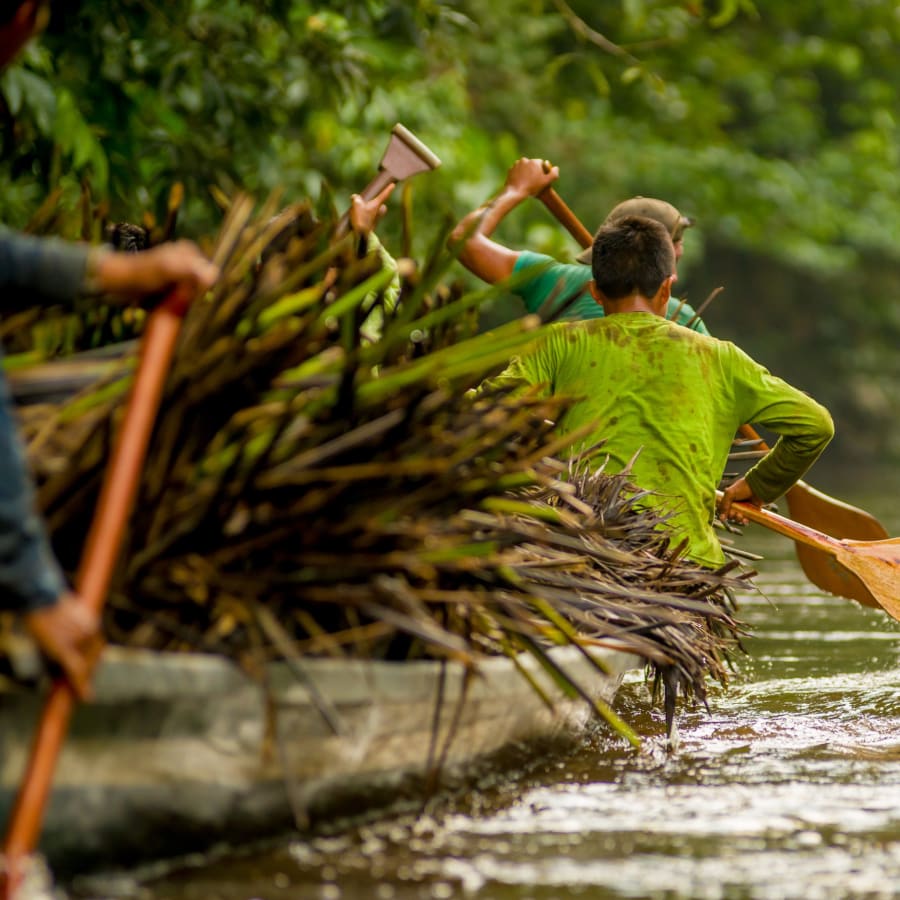
Visit native Caboclos after breakfast. It is an amazing experience to see how these people deal with the jungle and their typical way of life, canoeing through the creeks and flooded lands (Igarapé and Igapó). Visit native Caboclos after breakfast. It is an amazing experience to see how these people deal with the jungle and their typical way of life, canoeing through the creeks and flooded lands (Igarapé and Igapó). Go on a canoe ride for bird watching after a buffet lunch. Go on a canoe ride for bird watching after a buffet lunch. Return to the hotel for a buffet dinner. Return to the hotel for a buffet dinner. Overnight stay at the hotel.
-
10Day 10
Sunrise Canoe Tour and Return to Manaus
Go on a sunrise canoe tour after breakfast. Go on a sunrise canoe tour after breakfast. Return to Manaus after lunch. Return to Manaus after lunch.
-
11Day 11
Flight from Manaus to Rio Branco
Transfer to Manaus Airport for your flight to Rio Branco, the capital of Acre state in north-west Brazil. Rio Branco has air connections to all the major cities of Brazil, but river travel is still an important means of transportation. Rio Branco has also been one of the primary cities to emerge on the banks of the Acre River in the Amazon. Transfer to Manaus Airport for your flight to Rio Branco, the capital of Acre state in north-west Brazil. Rio Branco has air connections to all the major cities of Brazil, but river travel is still an important means of transportation. Rio Branco has also been one of the primary cities to emerge on the banks of the Acre River in the Amazon.
-
12Day 12
Overland Journey to Puerto Maldonado
Drive to Puerto Maldonado city on the Peru side after breakfast (approximately 8-9 hours). Drive to Puerto Maldonado city on the Peru side after breakfast (approximately 8-9 hours). Transfer to the selected hotel upon arrival. Puerto Maldonado is a small Amazonian city in the Madre de Dios region of Peru. The city itself holds little interest for tourists; however, it is a great starting point for visiting some of the amazing jungle reserves, particularly the nearby Tambopata Reserve. Transfer to the selected hotel upon arrival. Puerto Maldonado is a small Amazonian city in the Madre de Dios region of Peru. The city itself holds little interest for tourists; however, it is a great starting point for visiting some of the amazing jungle reserves, particularly the nearby Tambopata Reserve. Visit the Tambopata Reserve. Visit the Tambopata Reserve.
-
13Day 13
Scenic Drive from Puerto Maldonado to Cusco
Drive in a private car to Cusco via the Inter Oceania road (approximately 8-9 hours). Drive in a private car to Cusco via the Inter Oceania road (approximately 8-9 hours). Stop for pictures and enjoy views of Ausangate Mountain in the Willkanuta Mountain range in the Andes of Peru. The area has four major geological features: the Andean uplift formed by granites, the hanging glaciers and glacial erosional valleys, the Permian formation with its singular colours of red, ochre, and turquoise, and the Cretaceous limestone forests. Stop for pictures and enjoy views of Ausangate Mountain in the Willkanuta Mountain range in the Andes of Peru. The area has four major geological features: the Andean uplift formed by granites, the hanging glaciers and glacial erosional valleys, the Permian formation with its singular colours of red, ochre, and turquoise, and the Cretaceous limestone forests.
-
14Day 14
Cusco City Tour and Folklore Dinner Show
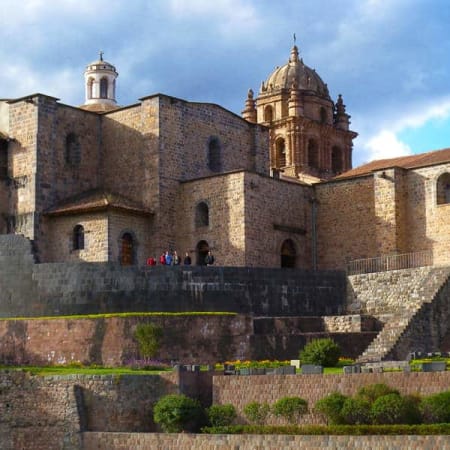
Take a guided sightseeing tour of Cusco, including the Main Square, the Cathedral, and the Temple of the Sun, or Korikancha. Take a guided sightseeing tour of Cusco, including the Main Square, the Cathedral, and the Temple of the Sun, or Korikancha. Drive out of the city to visit the Inca sites of Kenko, Tambomachay, Puca Pucara, and the impressive fortress of Sacsayhuaman, strategically built on a hill overlooking Cusco and famous for its enormous carved stones, some of them standing over 9 m/30 ft high and weighing over 350 tons. Drive out of the city to visit the Inca sites of Kenko, Tambomachay, Puca Pucara, and the impressive fortress of Sacsayhuaman, strategically built on a hill overlooking Cusco and famous for its enormous carved stones, some of them standing over 9 m/30 ft high and weighing over 350 tons. 08:00 PM: Get ready to enjoy dinner with a folklore show at a typical restaurant, where musicians play their melodies with Andean instruments. At the same time, typically dressed dancers entertain you with ancient Peruvian dances. 08:00 PM: Get ready to enjoy dinner with a folklore show at a typical restaurant, where musicians play their melodies with Andean instruments. At the same time, typically dressed dancers entertain you with ancient Peruvian dances.
-
15Day 15
Sacred Valley Excursion to Pisac, Ollantaytambo, and Santa María
Take an early morning excursion to the Urubamba Valley, the Sacred Valley of the Incas. Take an early morning excursion to the Urubamba Valley, the Sacred Valley of the Incas. Stop in Awanakancha on our way from Cusco. One cannot travel to Peru without taking the time to see animals native to the Andes, and unless you plan on heading deep into the countryside, the very best and easiest place to see them is at Awanakancha, a small camelid farm dedicated to the animals and the intricate textiles produced from their wool. Stop in Awanakancha on our way from Cusco. One cannot travel to Peru without taking the time to see animals native to the Andes, and unless you plan on heading deep into the countryside, the very best and easiest place to see them is at Awanakancha, a small camelid farm dedicated to the animals and the intricate textiles produced from their wool. Have the opportunity to meet the resident animals: alpaca, llama, and vicuña. These friendly animals are keen to meet visitors in the hope of receiving a tasty grassy snack. Have the opportunity to meet the resident animals: alpaca, llama, and vicuña. These friendly animals are keen to meet visitors in the hope of receiving a tasty grassy snack. Take some time to visit the small onsite exhibits, where you can understand how the animal wool is refined and naturally dyed before being expertly woven into fabrics, tapestries, clothing, and a variety of other products. Women from native communities offer live examples of traditional intricate weaving techniques using basic tools and wooden looms. Take some time to visit the small onsite exhibits, where you can understand how the animal wool is refined and naturally dyed before being expertly woven into fabrics, tapestries, clothing, and a variety of other products. Women from native communities offer live examples of traditional intricate weaving techniques using basic tools and wooden looms. Visit the picturesque Indian Pisac Market, held on Tuesdays, Thursdays, and Sundays. It is a shopping paradise in the Andes where barter is still practiced. You can enjoy the unique atmosphere during a typical lunch. Visit the picturesque Indian Pisac Market, held on Tuesdays, Thursdays, and Sundays. It is a shopping paradise in the Andes where barter is still practiced. You can enjoy the unique atmosphere during a typical lunch. Pass through the towns of Calca and Urubamba after breakfast. Pass through the towns of Calca and Urubamba after breakfast. Explore the Inca Fortress and Citadel of Ollantaytambo, built to guard the entrance to this part of the valley and protect it from possible invasion from the tribes in the lower jungle. You can walk through the quaint streets of the nearby town and get a good idea of what this strategic military, religious, and agricultural centre was like in the past. Explore the Inca Fortress and Citadel of Ollantaytambo, built to guard the entrance to this part of the valley and protect it from possible invasion from the tribes in the lower jungle. You can walk through the quaint streets of the nearby town and get a good idea of what this strategic military, religious, and agricultural centre was like in the past. Continue the journey along a winding ascent towards Abra Malaga and the snowy Veronica, located at an altitude of 4,316 meters, from where we can enjoy the magnificent landscapes of the Cusco geography. Continue the journey along a winding ascent towards Abra Malaga and the snowy Veronica, located at an altitude of 4,316 meters, from where we can enjoy the magnificent landscapes of the Cusco geography. Take a short 15-minute break at Abra Malaga; we will descend into the jungle of the Inca Trail through the different climates that combine the paradisiacal landscapes of majestic snow and the hot jungle of the Inca Trail. At the height of Alfamayó, find a fully paved Inca Trail in admirable condition; this is where the asphalt road begins. Take a short 15-minute break at Abra Malaga; we will descend into the jungle of the Inca Trail through the different climates that combine the paradisiacal landscapes of majestic snow and the hot jungle of the Inca Trail. At the height of Alfamayó, find a fully paved Inca Trail in admirable condition; this is where the asphalt road begins. Continue towards the district of Santa María. Continue towards the district of Santa María.
-
16Day 16
Inca Trail Trek to Santa Teresa Hot Springs
07:00 AM: Wake up and find yourself in the midst of the jungle. 07:00 AM: Wake up and find yourself in the midst of the jungle. Start with a short but intense climb to begin your section of an authentic Inca Trail. As you wind up and down precipitous cliffs over a stunning valley, your guide will transport you to the time of the Incas by revealing some of what little we do know from this ancient culture. Start with a short but intense climb to begin your section of an authentic Inca Trail. As you wind up and down precipitous cliffs over a stunning valley, your guide will transport you to the time of the Incas by revealing some of what little we do know from this ancient culture. Descend to Quellomayo, where the group will stop for lunch and have some time to relax in hammocks. Keep an eye out for natural fruit, especially the taste explosion that is maracuja (passion fruit). Descend to Quellomayo, where the group will stop for lunch and have some time to relax in hammocks. Keep an eye out for natural fruit, especially the taste explosion that is maracuja (passion fruit). Continue the trek along the surging Urubamba River, crossing it at one point in a cart and pulley - safe yet thrilling. Continue the trek along the surging Urubamba River, crossing it at one point in a cart and pulley - safe yet thrilling. Walk to Santa Teresa Hot Spring, constructed on the mountain's slopes and the banks of the Urubamba River. The thermal water complex has three pools of different sizes and depths, supplied with medicinal water that varies between 40ºC and 44ºC. Walk to Santa Teresa Hot Spring, constructed on the mountain's slopes and the banks of the Urubamba River. The thermal water complex has three pools of different sizes and depths, supplied with medicinal water that varies between 40ºC and 44ºC. Bathing in the thermal baths of Santa Teresa mainly differs from the other springs of Peru because of its crystalline waters. These medicinal waters possess properties to treat cutaneous ulcers, bone pain, and rheumatism. You can also submerge under cold streams from the Uripata lagoons in the thermal baths, which provides a comforting sensation. There is soft sand at the bottom of the pools, and around them we can contemplate rocks, vegetation, the sound of the river, and the mountain. The thermal baths of Santa Teresa are fully equipped with bathrooms, showers, dressing rooms, soccer fields, space for camping, a cafeteria, a kiosk for food and beverage supply, and a viewpoint. It also has a hydromassage system and is a charming place to rest after extensive walks such as the Machu Picchu and Choquequirao trails. Bathing in the thermal baths of Santa Teresa mainly differs from the other springs of Peru because of its crystalline waters. These medicinal waters possess properties to treat cutaneous ulcers, bone pain, and rheumatism. You can also submerge under cold streams from the Uripata lagoons in the thermal baths, which provides a comforting sensation. There is soft sand at the bottom of the pools, and around them we can contemplate rocks, vegetation, the sound of the river, and the mountain. The thermal baths of Santa Teresa are fully equipped with bathrooms, showers, dressing rooms, soccer fields, space for camping, a cafeteria, a kiosk for food and beverage supply, and a viewpoint. It also has a hydromassage system and is a charming place to rest after extensive walks such as the Machu Picchu and Choquequirao trails.
-
17Day 17
Journey to Aguas Calientes
Take a car to Machu Picchu Hydroelectric Station and then continue our adventurous journey to the lost city. Take a car to Machu Picchu Hydroelectric Station and then continue our adventurous journey to the lost city. Trek from the Hydroelectric Station to Aguas Calientes, the "Town of Machu Picchu". Trek from the Hydroelectric Station to Aguas Calientes, the "Town of Machu Picchu".
-
18Day 18
Machu Picchu Guided Visit and Return to Cusco
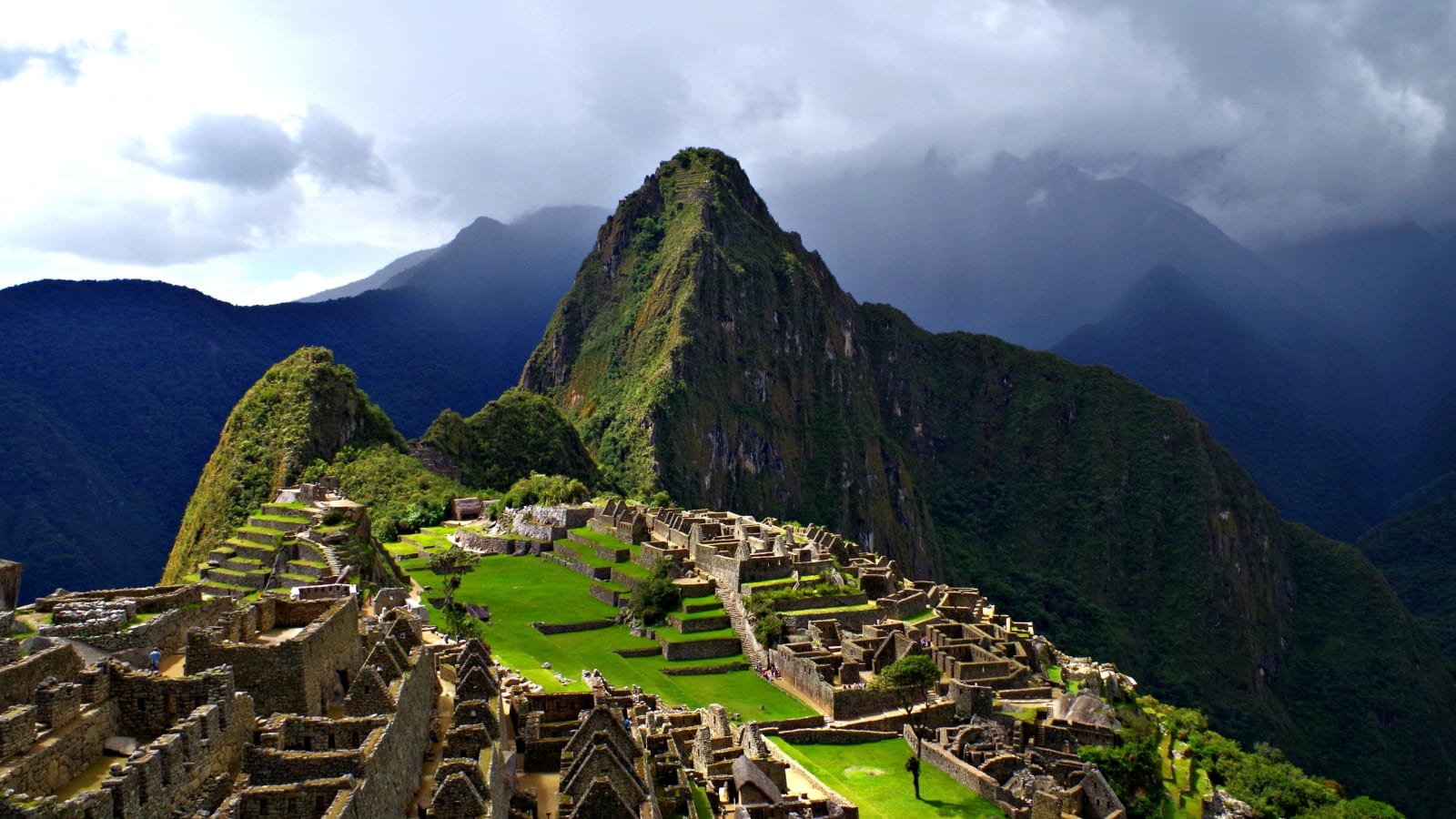
Go to the bus station for a journey to the famous Inca Citadel of Machu Picchu, also known as the "Lost City of the Incas." Climbing 6 km of winding road, the bus will take us to the incredible site of Huayna Picchu, also known as Wayne Picchu (Quechua for "Young Peak"). The number of daily visitors allowed to enter Huayna Picchu is restricted to 200. Go to the bus station for a journey to the famous Inca Citadel of Machu Picchu, also known as the "Lost City of the Incas." Climbing 6 km of winding road, the bus will take us to the incredible site of Huayna Picchu, also known as Wayne Picchu (Quechua for "Young Peak"). The number of daily visitors allowed to enter Huayna Picchu is restricted to 200. Participate in a guided tour of the Citadel, visiting the Main Plaza, the Circular Tower, the Sacred Sun Dial, the Royal Quarters, the Temple of the Three Windows, and various burial grounds. The Sun Gate of Machu Picchu boasts a picture-perfect vantage point overlooking Peru's most famous ruins. Tourists flock to this outcrop high in the Andes Mountains to enjoy the same view featured on virtually every postcard depicting the Machu Picchu citadel. Participate in a guided tour of the Citadel, visiting the Main Plaza, the Circular Tower, the Sacred Sun Dial, the Royal Quarters, the Temple of the Three Windows, and various burial grounds. The Sun Gate of Machu Picchu boasts a picture-perfect vantage point overlooking Peru's most famous ruins. Tourists flock to this outcrop high in the Andes Mountains to enjoy the same view featured on virtually every postcard depicting the Machu Picchu citadel. Enjoy a stroll through the town of Aguas Calientes and visit its hot springs with thermal waters. Enjoy a stroll through the town of Aguas Calientes and visit its hot springs with thermal waters. Visit Mandor Waterfall, in an area of lush forest surrounding the town of Machu Picchu. Visit Mandor Waterfall, in an area of lush forest surrounding the town of Machu Picchu. Follow the railway line from Machu Picchu Pueblo for a 45-minute hike. When you reach a railway crossing, you will see a small group of houses whose dwellers will tell you how to reach Mandor Waterfall. Follow the railway line from Machu Picchu Pueblo for a 45-minute hike. When you reach a railway crossing, you will see a small group of houses whose dwellers will tell you how to reach Mandor Waterfall.
-
19Day 19
Flight from Cusco to Lima
Transfer to Cusco Airport for your flight to Lima and back home. Transfer to Cusco Airport for your flight to Lima and back home.
Meeting Point
Meeting point: Lima, Peru · Tour start: Lima, Peru — Tour ends at the same location as the start point.