Dingboche
Get Dingboche tour guides from Everest Global Hub to help you explore the highest peaks of all, up above the trees and clouds of the iconic Khumbu region and its ice fields
Dingboche Tours
Handpicked local experiences led by certified guides.
No tours match these filters.
Virtual tours in Dingboche
Immersive online experiences across popular categories.
Virtual tours for Dingboche are being prepared
Online experiences led by local hosts will appear here.
Dingboche Tour Guides
Certified local guides ready to reveal the hidden treasures.
No approved guides yet for Dingboche
Local guides appear here once their application is approved.
Dingboche Tour Operators
Trusted travel companies operating in this destination.
No approved operators yet for Dingboche
Tour operators appear here once their application is approved.
Stories from Dingboche
Travel notes, guides, and inspiration for your journey.
Blog articles coming soon
Travel stories about Dingboche will appear here.
Dingboche
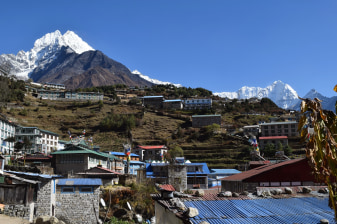
Perched high up above the treeline of the dusty Khumbu region, surrounded by cloud-splintering peaks with brilliant white tips of snow and glacier, Dingboche is a favourite pitstop on the route to Everest Base Camp. It's a traditional Sherpa village, made up of a clutch of rough-stone cottages and earthy teahouses that bubble with chatting trekkers and the scents of spice-infused masala tea.
Altimeters will clock up a whopping 4,410 meters here, which means acclimatisation is a must before you arrive. Despite the thin air and icy winds that roll down from Tobuche and the soaring Himal, thousands still make the journey each year, eager to seek out Dingboche tour guides who can reveal the mysteries and wonders of the world's highest mountain range.
Days can be spent wondering at the colossal ridges and ice fields that erupt all around the town, talking to local Sherpa folk, and photographing the terraced farm fields and their rows of drystone walls. Others will have their sights set on climbing the challenging peaks of Ama Dablam, Imja Tse, or – of course - Mount Everest itself.